
Water Plant Expansion & Storage Tank

Key Metrics
100% Mapped
SCADA Integrated
24/7 Access
Full Docs
The Challenge
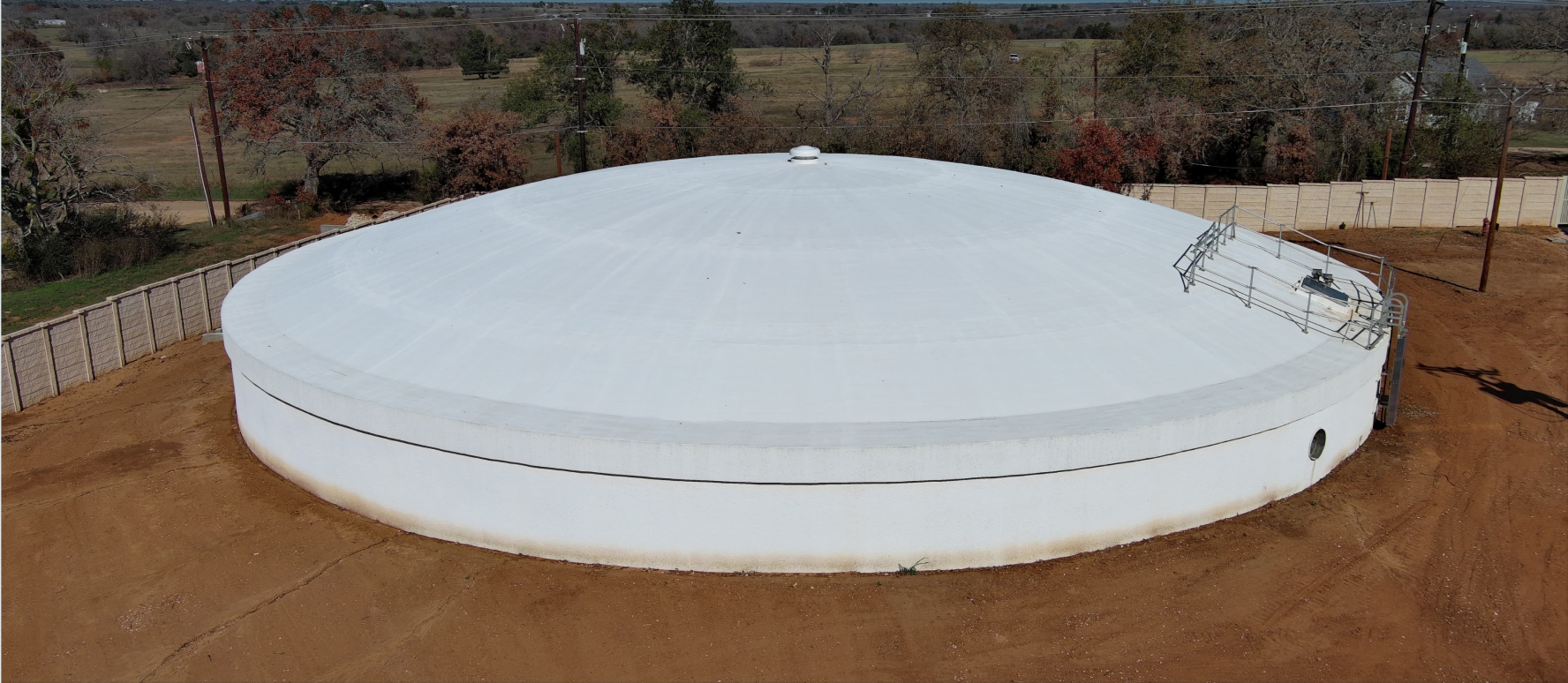
When IECONI was awarded the contract to construct a new one-million-gallon ground storage tank and booster system for the City of Elgin, the plant was technically operational. Water was flowing.Pumps were running. From the outside, the facility appeared functional.
However, once work began, a deeper issue surfaced. Over decades, undocumented modifications had been made to the underground piping network. Valves had been added, relocated, or abandoned without record. Process diagrams no longer reflected field reality. Operators could not definitively identify valve locations or explain the full logic of the system. Institutional knowledge existed largely in the memories of former employees.
The plant functioned, but it did so without clarity. It was vulnerable to disruption, dependent on guesswork, and increasingly difficult to manage with confidence.
Before expansion could occur, understanding had to be restored.
Our Approach
Rather than simply install new infrastructure and leave the legacy system untouched, IECONI began by returning to fundamentals. We identified the true hydraulic inputs and outputs of the plant and physically excavated portions of the buried network to trace the piping system underground. Asundocumented valves were uncovered, we evaluated their operability and worked backward to determine their intended purpose within the process.
From those field discoveries, we reverse-engineered the plant's logic of operation. Each componentwas assessed not only for its physical presence but for its functional role. Once the underground network was fully mapped, we rebuilt comprehensive process diagrams that accurately reflectedfield conditions.
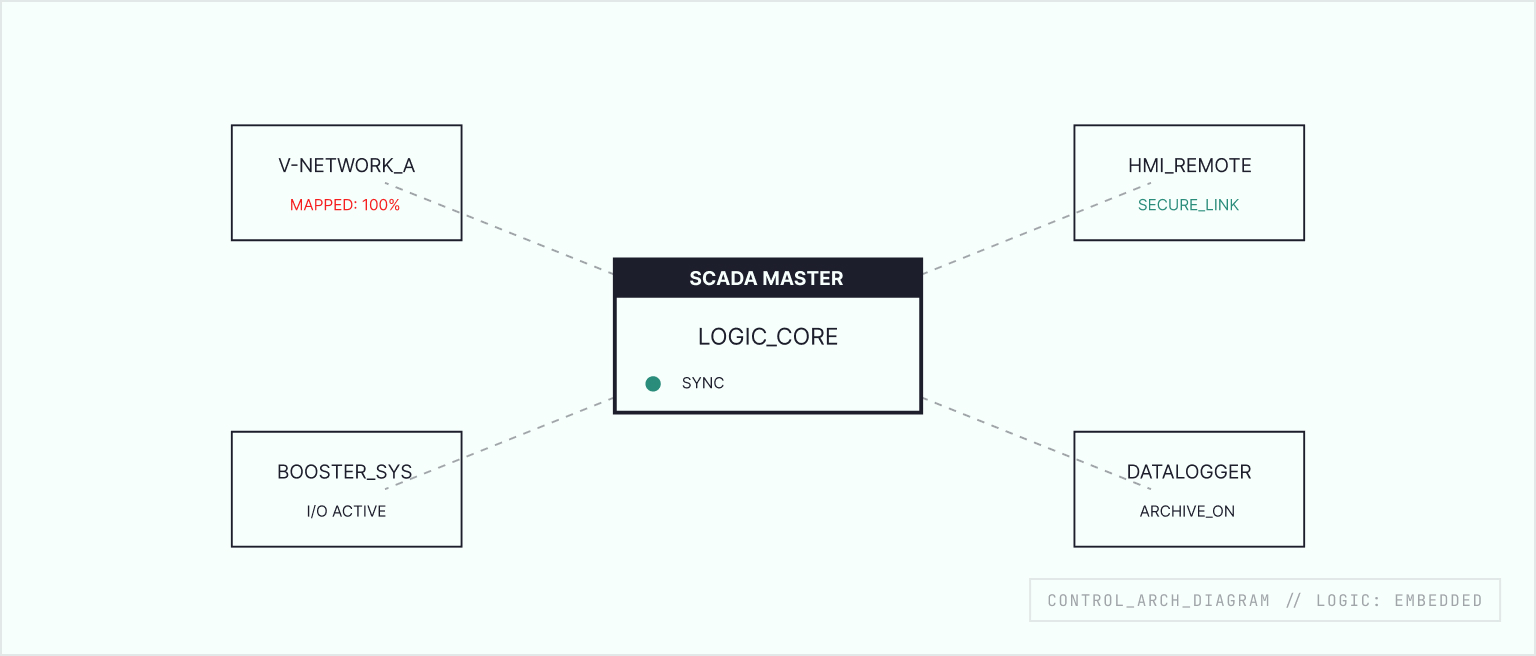
We then integrated the entire system into a modern control architecture. Valves were programmed into the control system, operational logic was embedded into SCADA, and physical access points were installed to ensure long-term maintainability. Documentation was finalized so that operational knowledge would be permanently preserved within the system itself.
The project became more than an expansion. It became a restoration of operational clarity.
Results Achieved
The City of Elgin moved from operating a partially understood facility to managing a fully engineered and transparent system. Operators gained visibility into every functional component and transitioned from reactive operation to informed control. The plant became programmable, redundant, and remotely operable.
Most importantly, the city no longer relied on institutional memory. The system could now speak for itself.